GRAMMAR
Learning
the language of truth
Students absorb knowledge—facts, vocabulary, and foundational ideas—building the raw material for thinking.
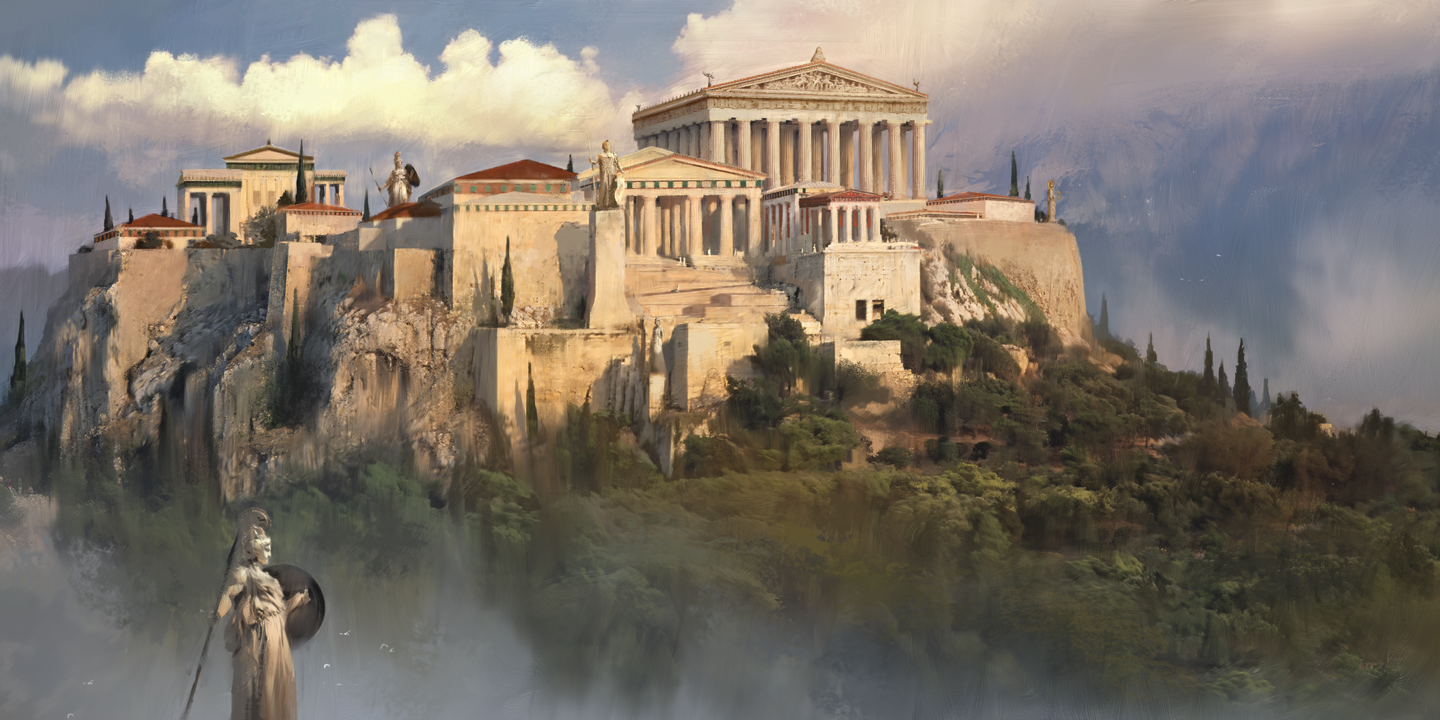
Classical Education is rooted in the Western intellectual tradition and centered on the pursuit of truth. It forms students in clear thinking, articulate communication, and virtuous character through engagement with enduring ideas and the great works that have shaped civilization.
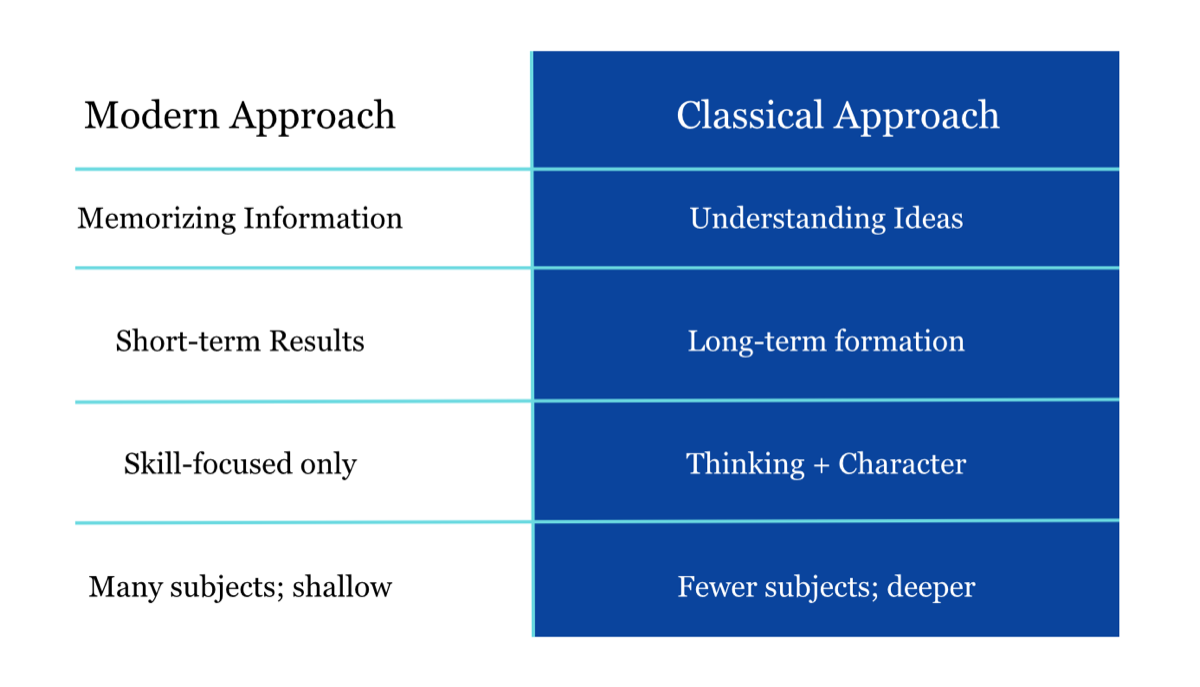
Most modern education focuses on information, testing, and short-term results.
Classical education focuses on understanding, formation, and lasting wisdom.
The goal is not just to learn more—but to think clearly and learn well.
Classical Education is built on Seven Liberal Arts - a complete model of learning that trains both the mind and the understanding of the world
It is divided into two parts:
Trivium (How to think) and Quadrivium (What to Learn)
How to Learn
Learning
the language of truth
Students absorb knowledge—facts, vocabulary, and foundational ideas—building the raw material for thinking.
Understanding
and testing truth
Students ask “why,” analyze ideas, and learn to distinguish truth from error through clear reasoning.
Communicating
truth with clarity
Students learn to express ideas persuasively—through writing and speaking—with confidence and precision.
Students grow from knowing → to understanding → to communicating truth
What to Learn
Understanding number and quantity
Students develop numerical reasoning, accuracy, and logical thinking through mathematics.
Understanding space and form
Students learn spatial reasoning, measurement, structure, and visual problem-solving.
Understanding rhythm, harmony, and beauty.
Students explore pattern, proportion, harmony, and expression through music and arts
Understanding the natural world
Students study the systems, laws, and patterns found in creation through observation, inquiry, and scientific thinking.
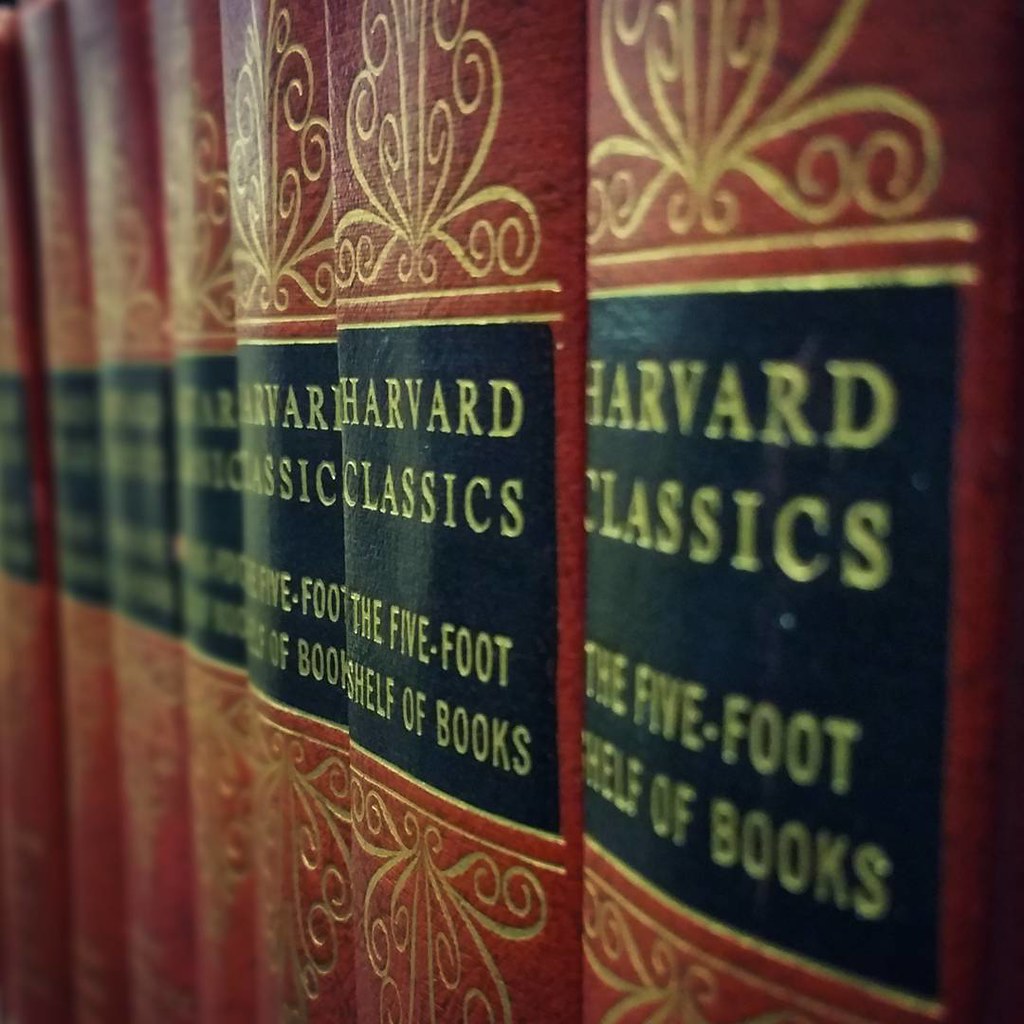
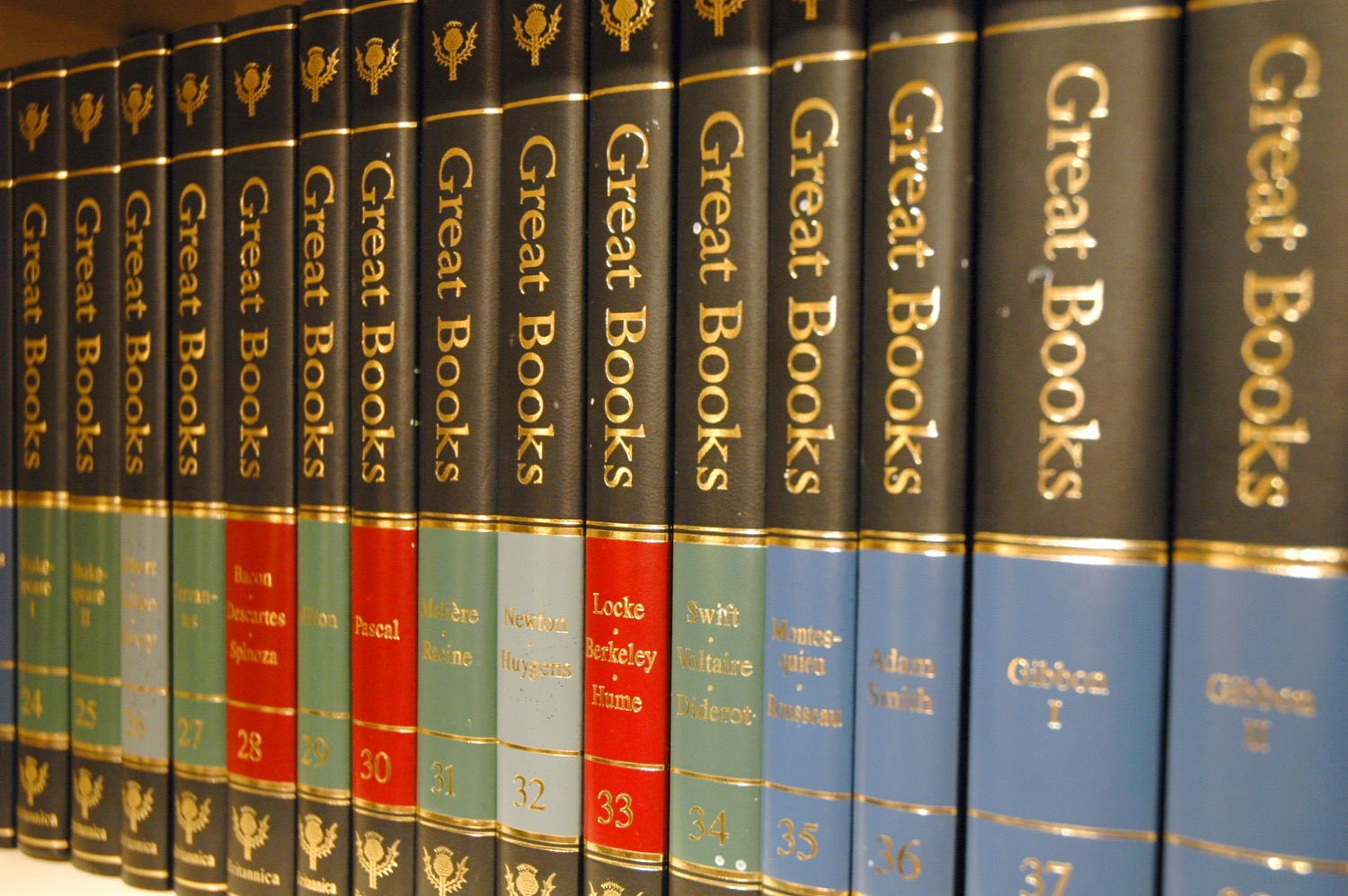
Students engage with timeless works that have shaped civilization, not just modern textbooks. These texts expose students to enduring ideas, real questions, and the greatest minds of history.
Through these works, students learn to ask and wrestle with essential questions: